
Ed and Lynne stayed with us much of the week. Some of the places we visited turned out to be a little underwhelming. Monday we visited Catalina state park and did a little hiking. Then we visited the Romaro Ruins. The ruins weren’t visible because they were all underground. The guides served up the same pre-Columbian history we heard at other places. I did notice one significant historical difference. The Spanish mission movement was started by the Jesuits. The king threw the Jesuits out and had the Franciscans take over. Why the switch? The activities in New Spain were supposed to send 20% of the take to the king. Some say the Jesuits were skimming the take. Others say the Jesuits didn’t want to take taxes from the poor indigenous population. We’ll probably never know for sure. My bet is that there was plenty of greed from all involved.
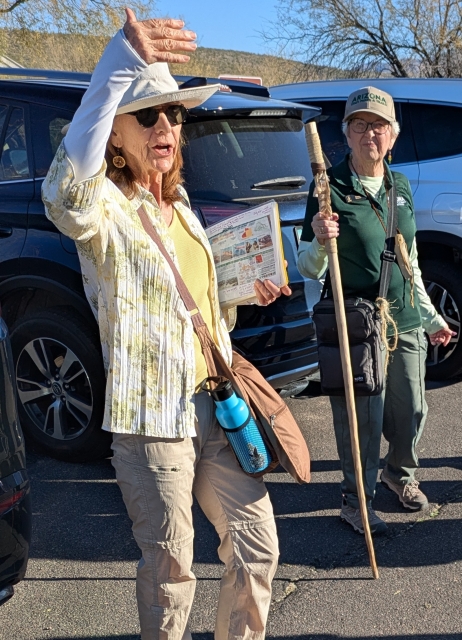
We also visited Steam Pump Ranch, which could have been interesting, but the steam pump is well hidden.
Our big event Tuesday was the Kartcher Caverns. This cave had countless examples of all manor of cave formations. It was discovered in the 1980s. The development of the cave was very good. It was wheel chair accessible, which was good thing because one person in our tour fainted. The guide used the cave’s wheel chair to get her out. Once outside, she recovered quickly.
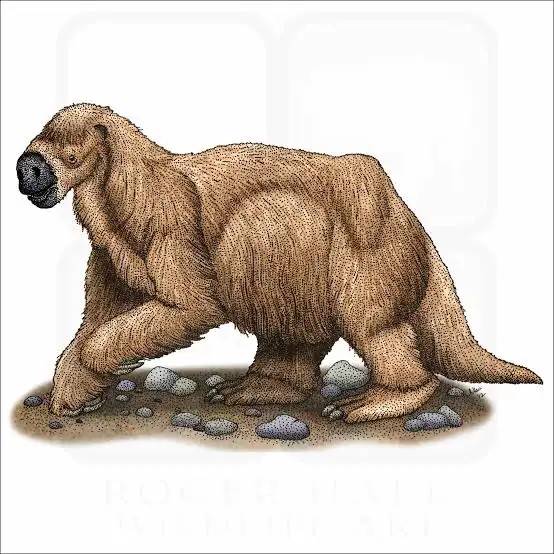
There is an excellent chance that one of the artifacts found in this cave does not exist in any other cave. It is the skeleton of a Giant Sloth. These animals went extent about 12,000 years ago. This animal obviously died long before the cave was formed.
Our last dinner together was at El Charro, an iconic Mexican restaurant.
Thursday Ed and Lynne moved on to their next stops in Texas while Danita and I stayed behind and took a down day. We met some people we know in Snowden Overlook who are also spending some time in Tucson. We went to Opa’s, a Greek restaurant that serves excellent food.
On Friday, we visited Canoa Ranch, one of the more interesting places we toured. The ranch traces its history to a land grant issued by Spain. When Mexico got their independence, the grand had to be registered in Mexico. Then it had to be registered in the US. Apparently, few of the original Spanish land grands lasted this long. At 330,000 acres, Canoa Ranch is about half the size of Bonanza. (I know, that is the opposite of “Twice as Big”, but I learned this after I wrote the title. Besides, Bonanza was pretend. Canoa is the real deal.) The ranch’s heyday was in the 1950s,. By 1970 it was abandoned and falling apart. A developer paid $6 million for the last parcel to build housing. Then the county decided they wanted to preserve the main buildings. They paid $6 million to get about a third of the last parcel. Not a bad deal for the developer. If you are ever in Tucson and want to learn something about the history of this part of the world, Canoa is a nice place to start.