Grundarfjordur, Iceland

Just when we think we have seen Iceland, we come to a spot that is more powerful and beautiful than any that went before.
Very scenic site
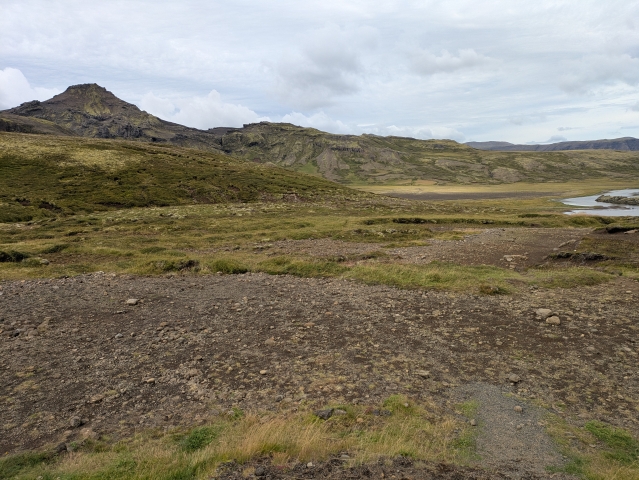
Many colors
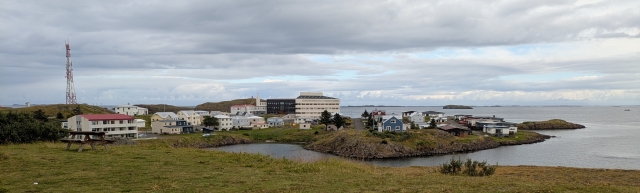
Scenic village
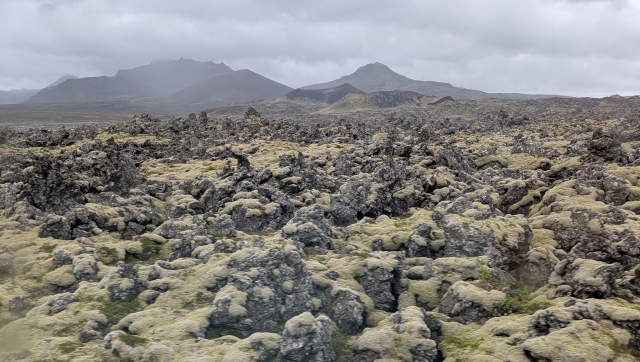
These lava fields are extremely rough, nearly impossible to traverse

I made a mistake, but I’ll circle back on this thought. We came to an attractive 250 foot hill called Helgafell. When the Vikings were pagan, this was considered a holy site. If unworthy people climbed the hill, the punishment could be death. after the conversion to Christianity, the Franciscans built a monastery on the site. There is a tradition that those who climb the hill without looking back and without talking can have three wishes fulfilled. And that’s where I made my mistake. I wanted to look back. I figured “What the heck, it’s just a wish”. But it was three wishes that I lost, not just one. Oh, well. Maybe I’ll do better on the next trip.
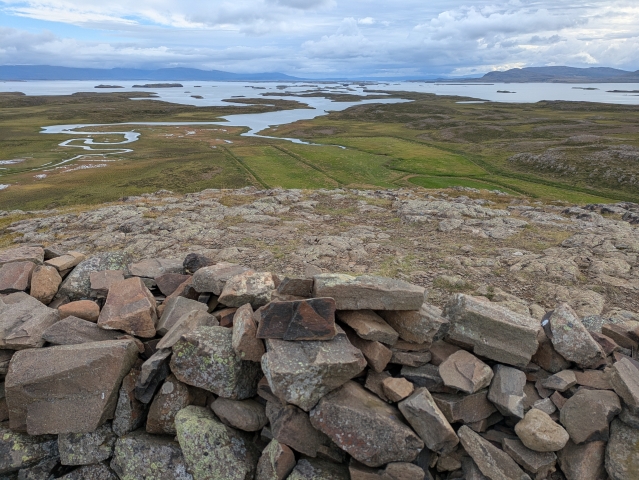
View from Helgafell

We visited a very modernistic church. The architect started out being a dentist. Maybe that’s why the building is so unusual. Could the church be an upper molar, the vertical stripes be the tooth’s root?
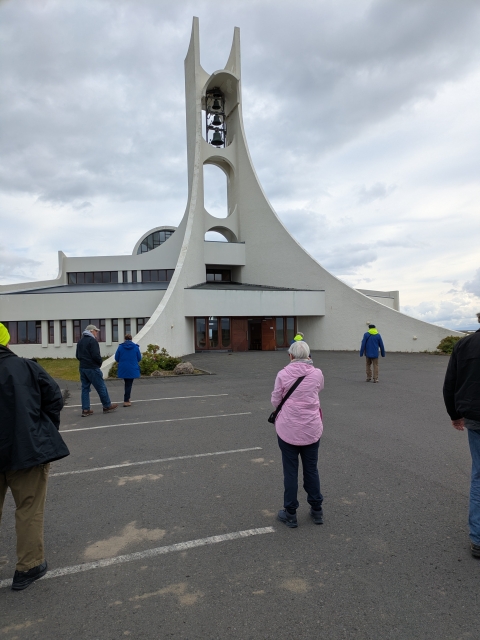
Modern Church
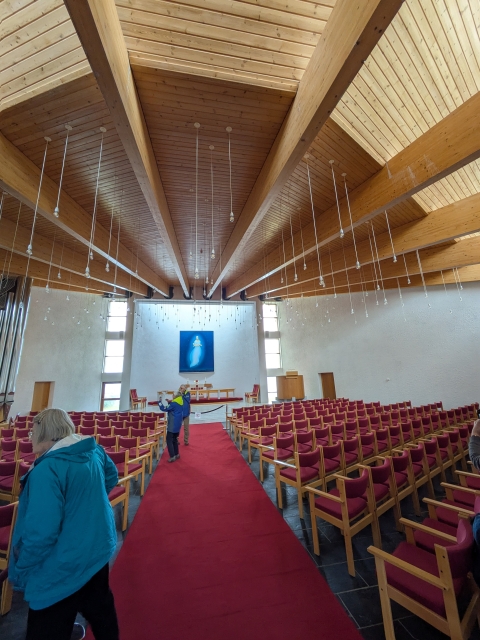
Church interior. I felt it gently inviting me to come forward.
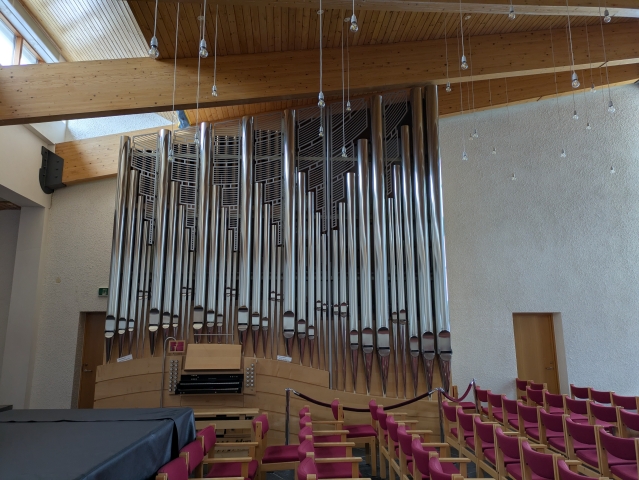
I’ll bet these pipes fan fill the Church with music

This is our last visit to Iceland. What an amazing country. What amazing citizens. There are several more pics on the website, if you are interested.

The next two days are sea days.
Reykjavik day 2

I’m starting with an attraction we didn’t visit. The geothermal power plants take hot water from deep wells. This water has many dissolved minerals. The plant must separate the minerals from the water, or else the pipes and pumps will quickly get clogged. After separation, they pump the mineral water back into the ground, closing the water loop. Unfortunately, the injected mineral water backed up in one of the plants. By the time they got everything fixed, they were stuck with a 4-foot deep pond of warm mineral water that covered 2 acres. Oops. Before long, an employee who had a skin problem decided to try sitting in the pond. They claimed the mineral water helped. Before long, somebody decided to give the pond a slick name and charge admission. Today, a ticket to the Blue Lagoon costs $100 (or more, with various optional packages). It is one of the most visited attractions in Iceland.

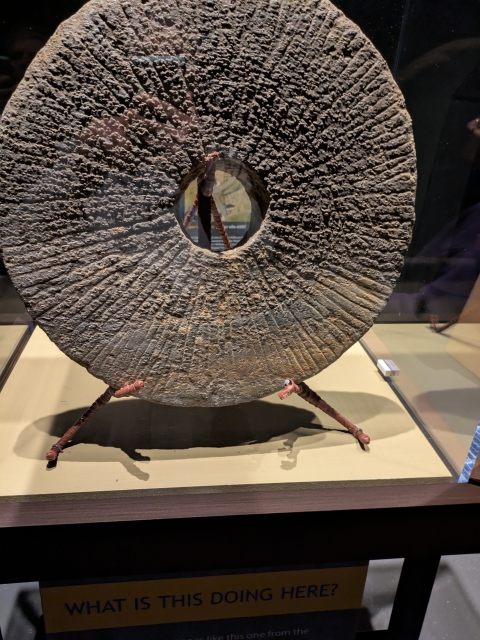
Staying with the theme of failures, here’s a picture of a grinding stone. It is impossible to grow wheat this far north. The Vikings decided to try their luck grinding the local lyme grass. The stone ended up as part of the floor in the entry of a building.

Failure

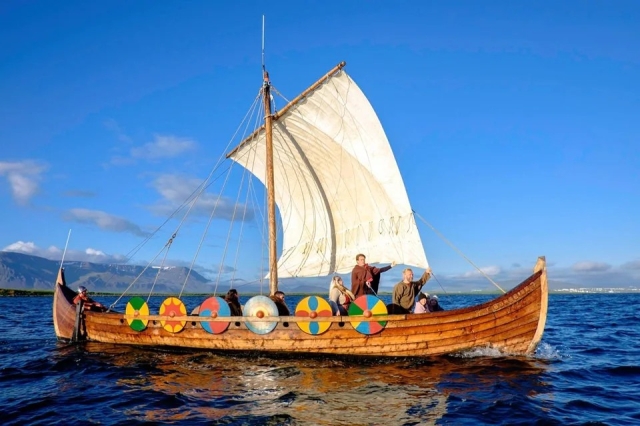
We visited the Viking museum. Besides the stone, we saw that somebody built the ship 01_Vésteinn, very nearly identical to a Viking longboat. They sailed it to North America. The boat is indoors. It isn’t possible to get a decent pic. Fortunately, the people who did this were anxious to brag about their achievement. Here’s their pic.

Vésteinn

I shouldn’t have been surprised by the other thing I learned about the Vikings. They weren’t the first people in Iceland. That honor goes to the Inuit. The Vikings were farmers, looking for land they could use to grow crops. There wasn’t a lot of conflict between the two groups. It wasn’t that the Vikings were afraid of conflict. There simply wasn’t much overlap in how they used resources.

We saw some more prosaic stuff. I’ll leave those pics to the website, for those who are interested. Tomorrow we move to our last stop in Iceland.

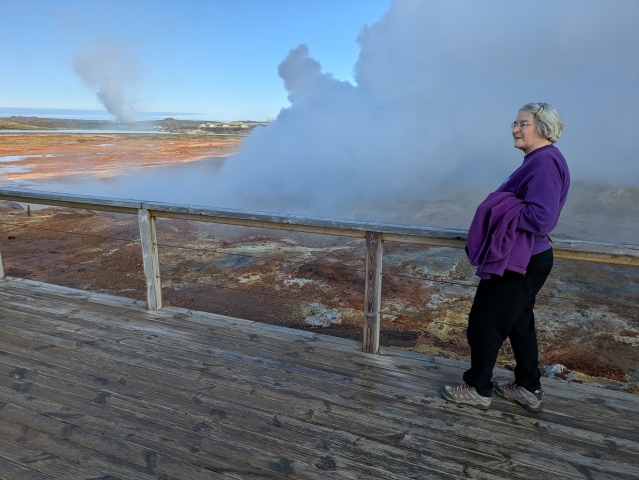
Continuous water squirter

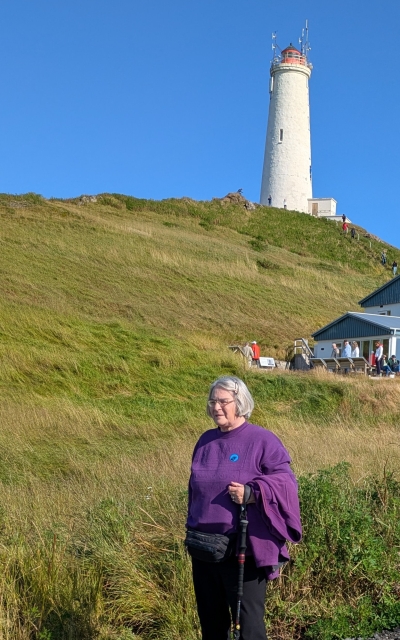
Lighthouse

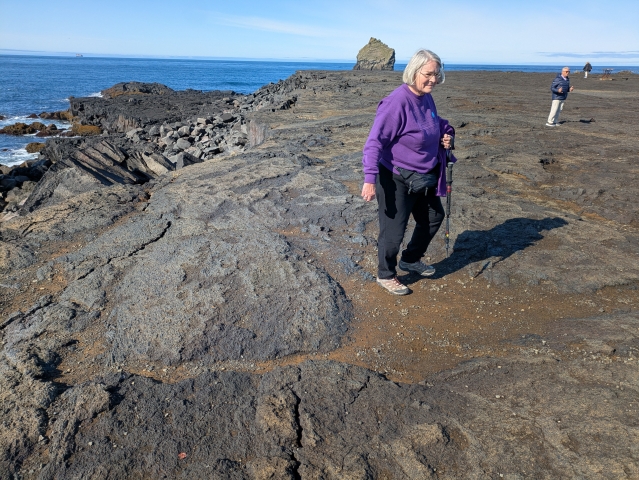
Rugged landscape

Reykjavík, Iceland

Yesterday was a very full day. There is active lava flow in the area. Wouldn’t it be cool to see it? Unfortunately, locals are very reluctant to let tourists die from falling into hot lava or from inhaling sulpher fumes. The only way to see the area is with a helicopter ride. At $900. Per person. We took a pass and instead toured what they call the Golden Circle. This 9-hour tour started at 1 PM. Days can be very long when one is close to the artic circle.

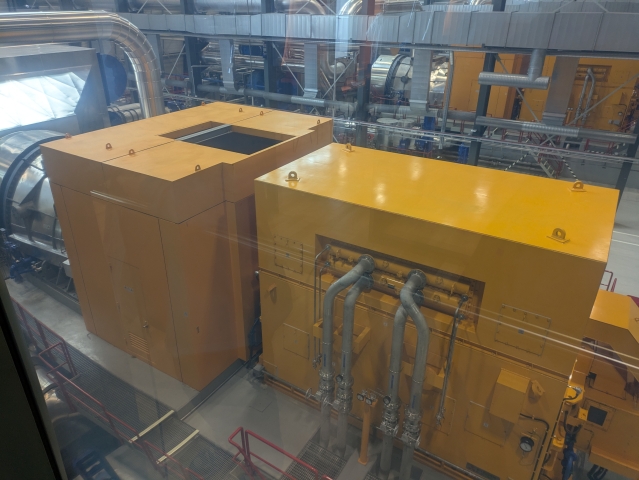
We started with a geothermal energy plant. It taps deep into the earth to extract very hot water under very high pressure. (You can insert your own numbers. I don’t remember them.) They convert some of the water to steam which turns turbine generators that make electricity. There’s plenty of electricity for everyone with enough left over to power an aluminum smelting plant. And there’s enough hot geothermal water left over to heat the houses and buildings in Reykjavik. Nation wide, about 90% of all buildings are heated with geothermal energy. The guide that explained the process was excellent. He was answering questions as they popped into my head.

Geothermal turbine

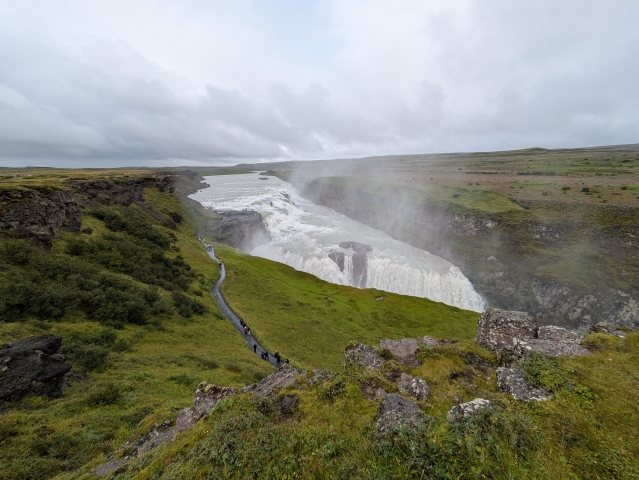
Our next stop was the amazing Thingvellir waterfall.

Waterfall

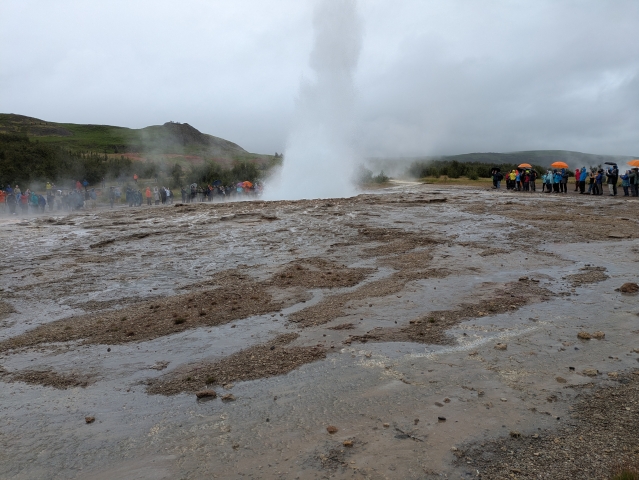
There was no time to dawdle. We moved on to an area with steam ominously venting to the atmosphere. Here was the location of an ever reliable geyser. I was unbelievably lucky to catch this pic.

Geyser

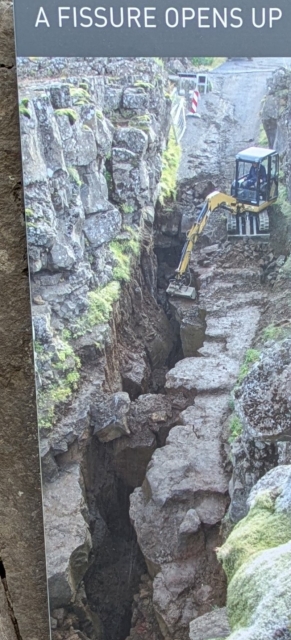
The last stop was the best of all. It was the location of Iceland’s Althing, or parliament, circa 930 AD. It doubles as the place where the North American and Eurasian tectonic plates are slowly moving away from each other. We could clearly see the edge of each tectonic plate. The land between them was incredibly dramatic. My pictures didn’t turn out. Here’s a cheat from one of the billboards.

Today we stay in Reykjavik. We plan to actually tour the city we are visiting for a change.

Djupivogur, Iceland

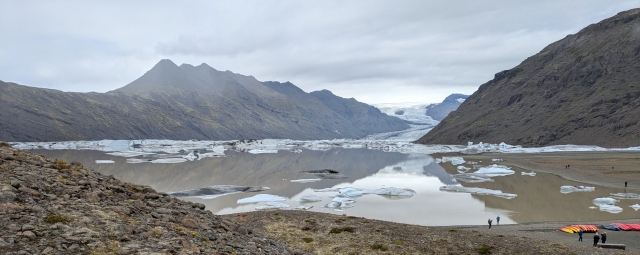
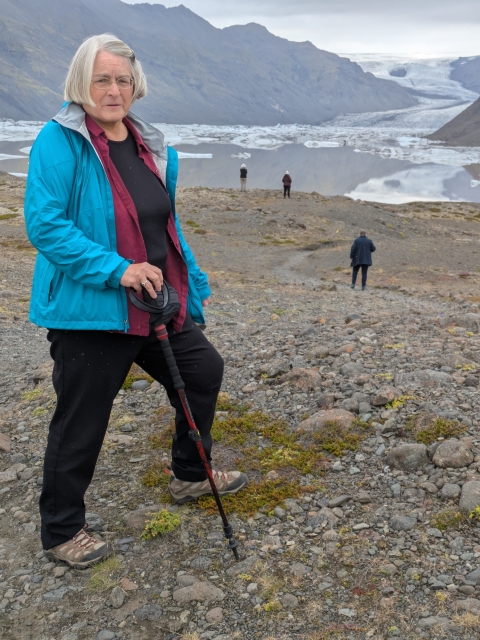
We tendered into Djupivogur on the northwest coast of Iceland, then took a ride to the northeast section. There we saw a glacier. Glacier melt fed a pond which entered into a glacier river. Early in the trip, we took a ride in an area with large pristine icebergs. The small pieces of ice floating in the pond were not big enough for me to call them icebergs. And it wasn’t particularly pretty. The glacier was dirty. The pond was the color of coffee with cream. The river slowly improved to a greyish white. None of this detracted from the powerful view, but I was surprised by the contrast of what we saw a few weeks ago and what we saw today. The site is remote but popular. Note the kayaks available for those who want to check out the pond.

Glacier and pond

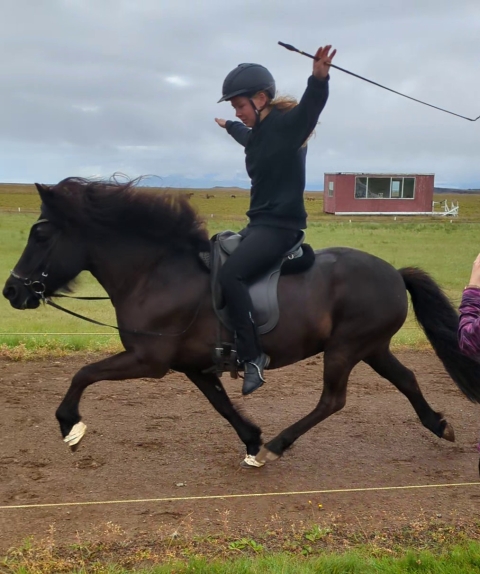
After a suitable amount of walking around and picture snapping, we went to an Icelandic horse farm. Icelandic horses are small but strong. They are the only horse that can do a tölt gait. This is a unique gait that gives the rider a remarkably smooth ride. Even more impressive is the skeið, or flying pace — much faster than skeið with the same smooth ride. Here’s a pic of an 11 year-old girl riding her horse with a skeið gait while holding both arms out like airplane wings. Flying indeed! This young lady took our breath away.

Flying pace indeed

Equally pleasing were the hot chocolate and kleinur. Check it out here: Kleinur. I’ll bet you can’t eat one. (I had three.) Besides remote, isolated areas and strange sights, Iceland also has cities. We’ll visit Reykjavík tomorrow.

We were there

Belfast, Northern Ireland

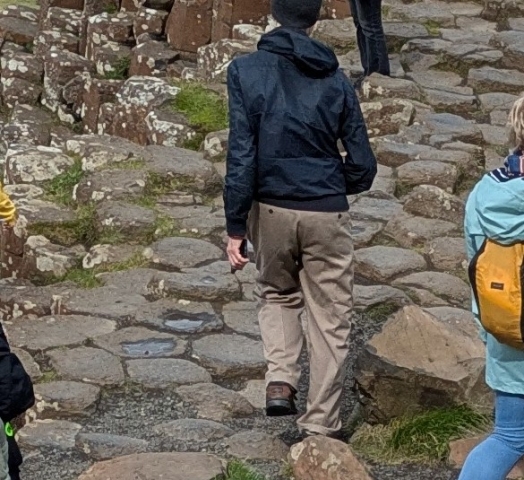
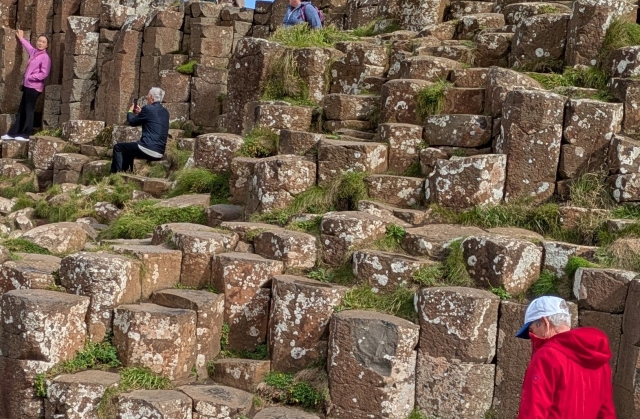
Our luck with weather held. We expected rain bug got sunshine. The big attraction today was rocks. (Not every day can be the best day.) We visited the “Giant’s Causeway” which is a rather strange name because there is no causeway, and there never was a causeway, nor are there there are proposals or plans to create one. The big attraction was rocks that naturally form to look like paving stones.

Or building blocks

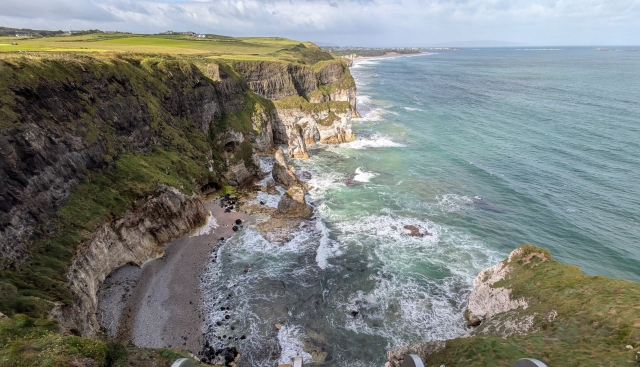
Nevertheless, the coastal area was an impressive site, …

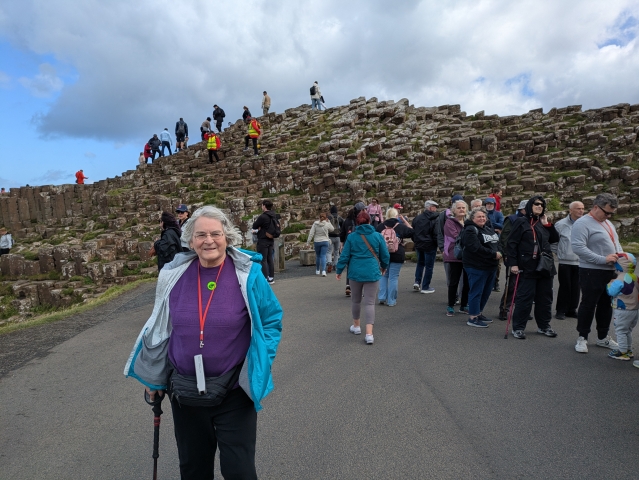
… and we were there.

(That line is for the shuttle bus. We walked.)

Tomorrow is a sea day.

Glascow

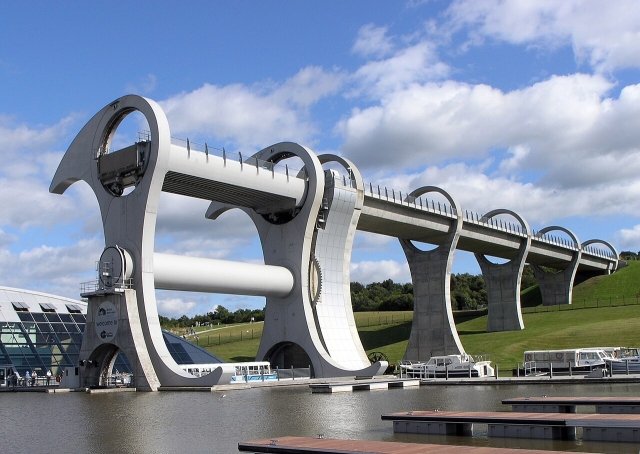
We had had two great stops today. The first is called the Falkirk Wheel boat elevator. The repeated circles reminded me of what a post-modernistic Celtic statue might look like. Scotland was re-opening part of the old canal system that transported people and goods in the 18th century. They wanted it to encourage leisure, vacation and tourism. But it wasn’t possible to rebuild the original canal in one critical spot. Everybody knows the Scots are the world’s best engineers. It should be no surprise that they invented the one and only rotating boat elevator in the world.

Falkirk Wheel (from Wikipedia)

Operation is easy to explain. Imagine a large ferris wheel with only two seats — one at the top of the wheel and one at the bottom. Now imagine the seats are barges. Both barges hold 1,000 pounds of water. Assume a 500 pound boat is placed in the upper barge. The boat will displace exactly 500 pounds of water, which will overflow the barge, leaving upper barge with 500 pounds of water and a 500 pound boat. Now imagine a 200 pound boat is placed in the bottom barge, leaving 800 pounds of water and a 200 pound boat. Both barges weigh exactly the same. The wheel is perfectly balanced. You can easily turn the wheel one half turn, moving the 200 pound boat from the lower position to the top, the 500 pound boat to the lower. You can see a movie of the wheel in action here. (This is a time laps movie. It takes 4 minutes for the wheel to rotate.)

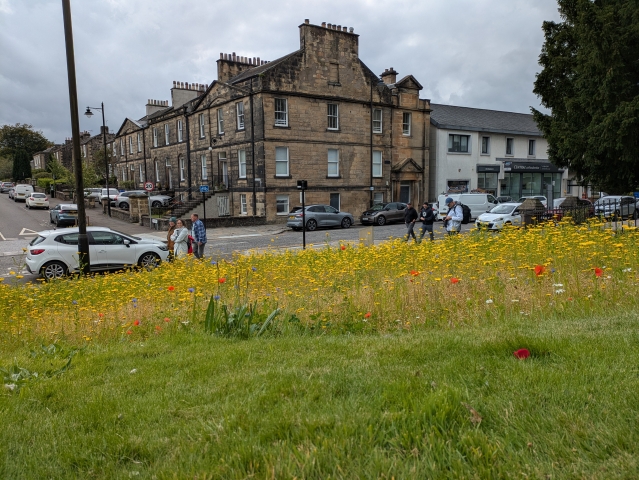
Our other stop was Stirling City. Stirling is a modern city with an old town section. There’s plenty of US towns with a similar idea. Only in Europe, “old” means “around 1200 AD”. The old buildings are in immaculate condition. The castle was vital because, thanks to it’s strategic location, it allowed the owner to control all of Scotland. I was looking forward to raiding the castle. Unfortunately, they require timed tickets to enter. Also, I left my grappling hook at home. ;-) Here’s a picture of a pretty spot in old town.

Old town Stirling

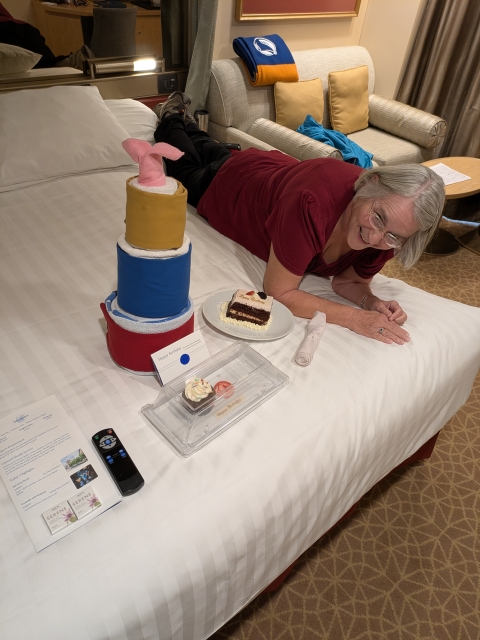
In addition to an excellent day of touring, it was also Danita’s birthday. The dinner wait staff sang a congratulations song and gave us a huge piece of birthday cake. The cabin stewards surprised us with a towel birthday cake and a cupcake. Even the captain got involved, signing a birthday card.

All in all, it was a most satisfying day. There are a few more pics on the website.

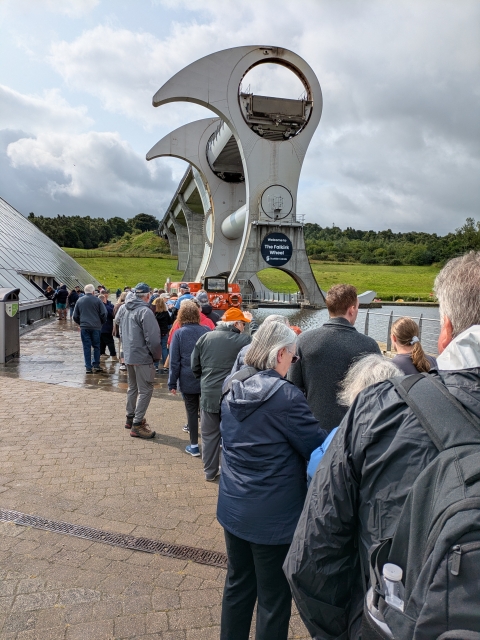
At the Falkirk Wheel, waiting to enter the boat

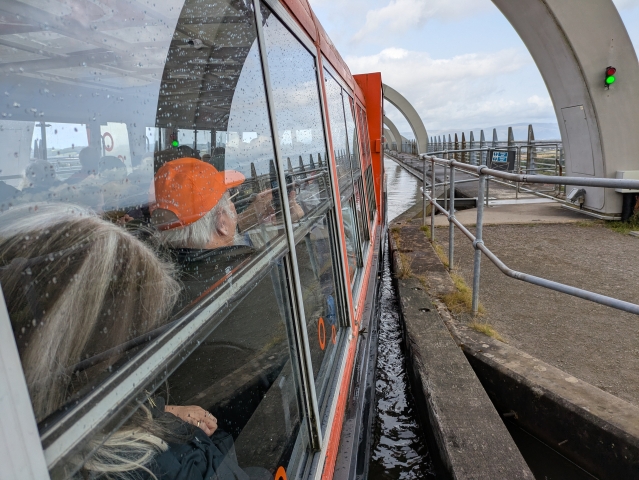
Floating the boat into the Falkirk Wheel

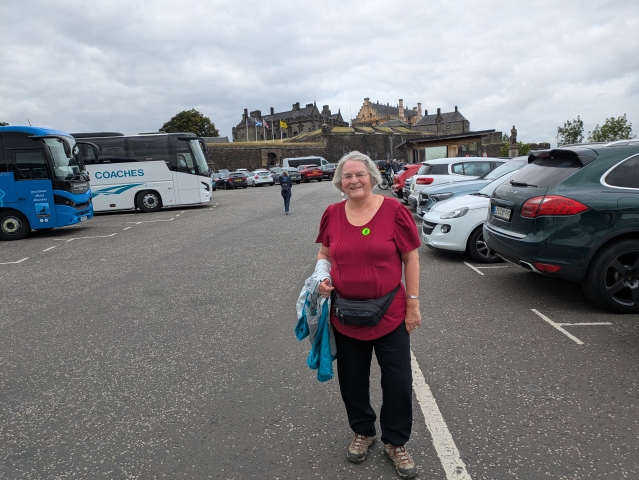
Outside the castle

Inside the castle

Happy Birthday Danita!

Dublin

This was a tender port, and boy the tenders were jumping. Literally. We thought there was a lot of tender motion when we boarded. But after we got away from the ship, it got worse. Waves were cresting above the tender’s roof! Fortunately, we left the tender in protected waters, and the winds were down when we returned.

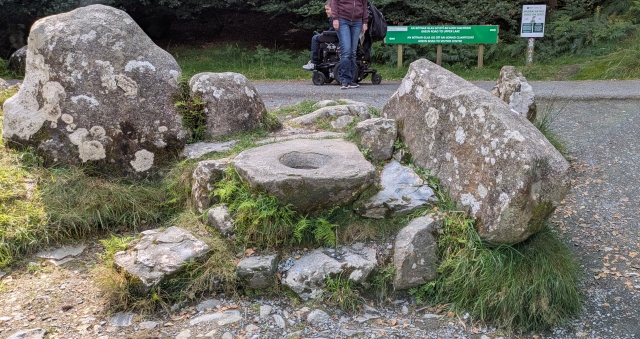
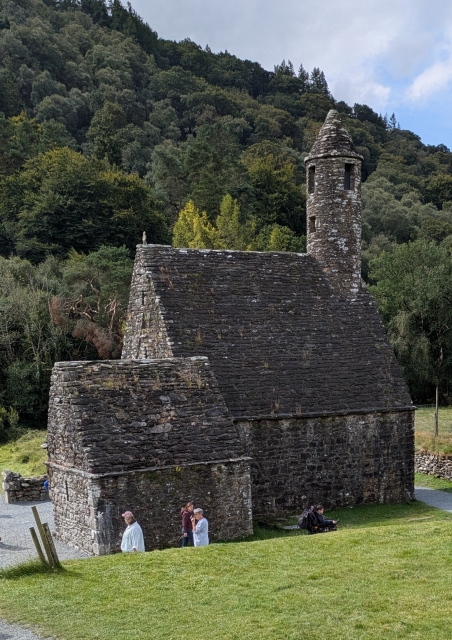
Our most interesting stop was St. Kevin’s monastery, which was started in the 6th century. This holy water basin was from the earliest days of the monastery.

From the 8th century

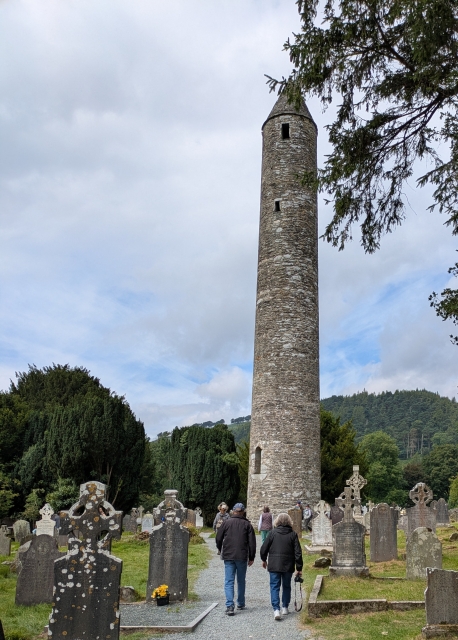
Many monasteries from that era had one of these round towers. That hole near the bottom is the only entrance. They used a rope ladder to access the tower. Nobody knows what the tower was for. It made a poor lookout. There were four floors inside accessed through wooden ladders. The interior was cold in the winter and offered little protection from the elements. Sometimes we simply don’t know.

Round Tower

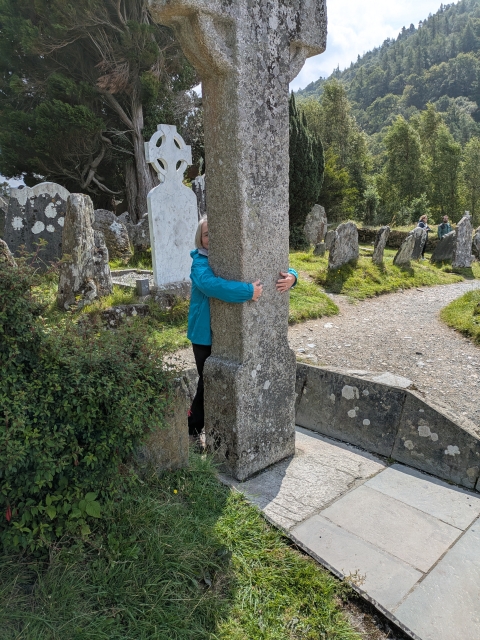
St. Kevin was the main man for introducing Christianity to this part of Ireland. It is said that anybody who could wrap their hands all the way around St. Kevin’s grave marker would be forgiven of all their sins.

Danita was Unforgiven

This looks like a ho-hum old church building. Actually it uses a rare technique that locks the stones together. It is an engineering tour de force. I’ll take their word for it.

Tomorrow we’ll visit Glasgow, where I hope to be a Viking and storm a castle.

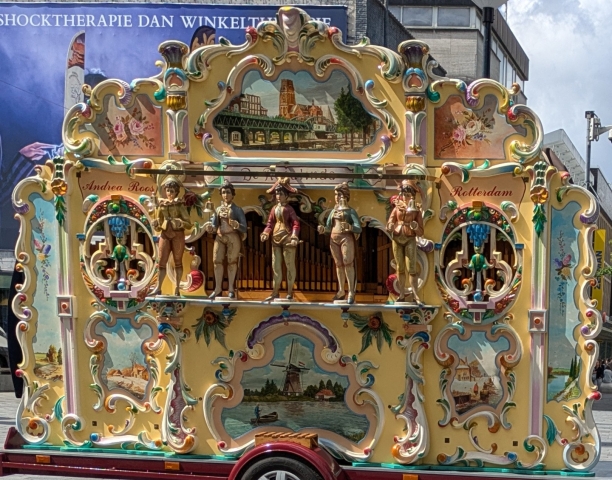
Rotterdam

Yesterday was a sea day. We were traversing the North Sea, which is known for having very rough seas in a storm. The captain decided to leave our previous port early and put the pedal to the metal. (So to speak. Passenger ships aren’t all that fast.) It worked. We got into port before the storm caught up with us. Today we had mild temperatures and plenty of sun.

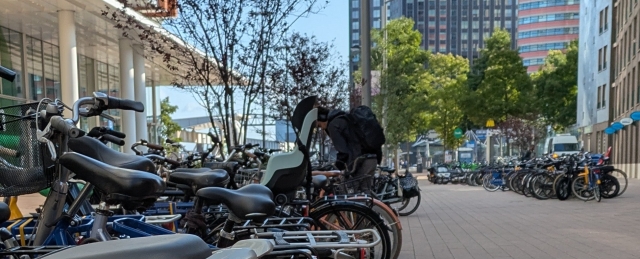
A hundred bikes?

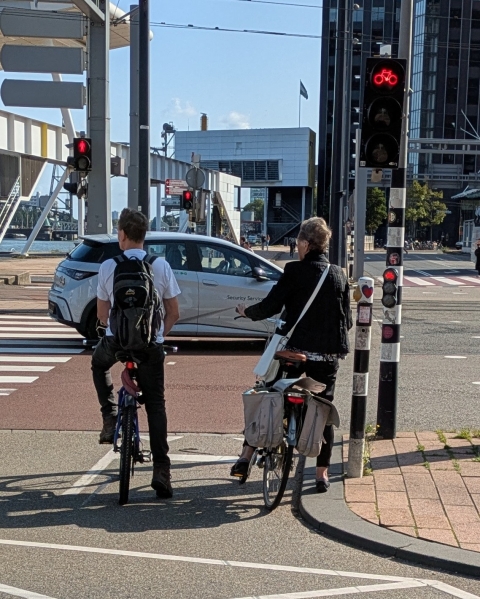
Rotterdam likes bikes. We saw several places that had a huge number of bikes, probably close to 100. There are two sets of street crossing signals — one for pedestrians, one for bikes. Attention! Use the appropriate signal. Streets have at least three lanes: one for cars, one for bikes, and one for pedestrians. It is not advisable to be in the wrong lane. I purchased a coffee cup that said Amsterdam, bike capitol of the world. I didn’t realize I had the wrong city until later.

Attention! This signal is for cyclists

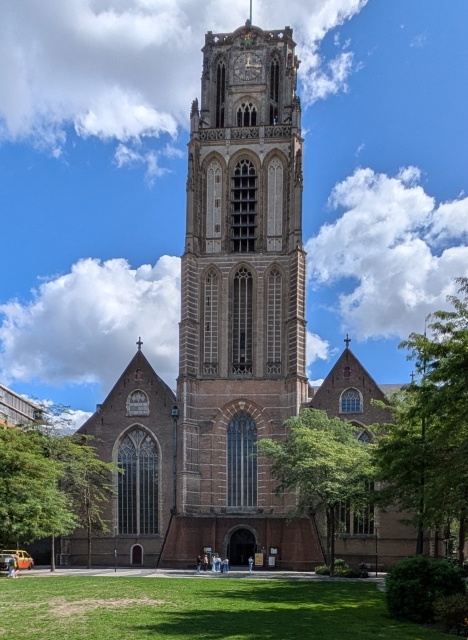
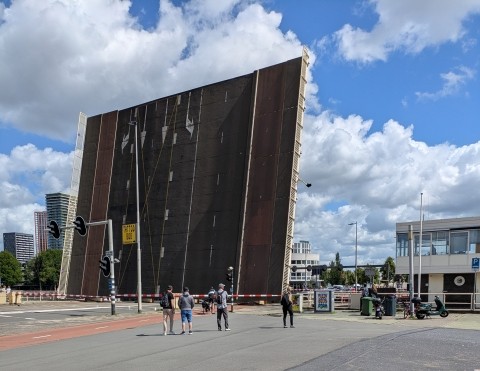
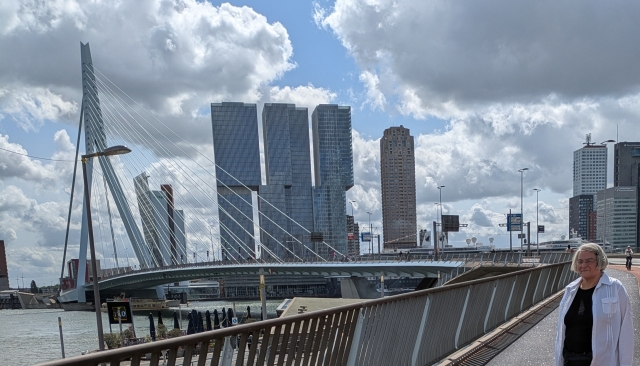
Rotterdam was almost totally destroyed by German bombing. Only three buildings survived. One of the three is the church. You can find a picture of the exterior on the web site. (Follow the link, as always.) We didn’t go inside the church because admission was way too high. Rotterdam is a pretty city. You can also see a most impressive draw bridge, a modern iconic bridge, and kaleidoscope.

Undamaged by German bombing

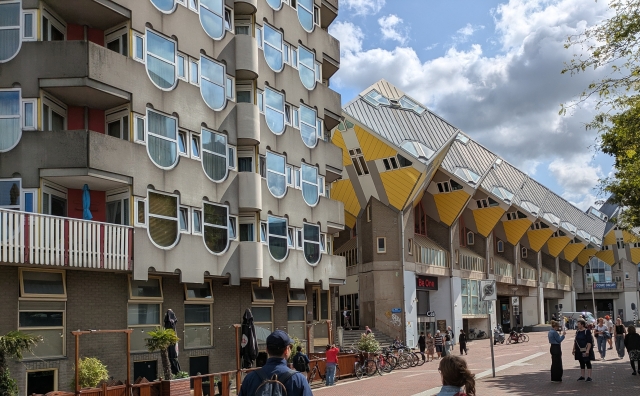
There were two strange buildings next to each other. One unfortunately had all the windows installed upside down. How sad for the inhabitants. But that was nothing compared to the cube houses. One cube house is used as a tourist attraction. What a horrible house! Stairs were very difficult to use. Handrails weren’t always available. Just getting groceries upstairs would be quite difficult. Rooms were small. There were few windows. These houses are the opposite of open and sunny. They claim that all the houses are inhabited.

Upside down window building, Cube houses

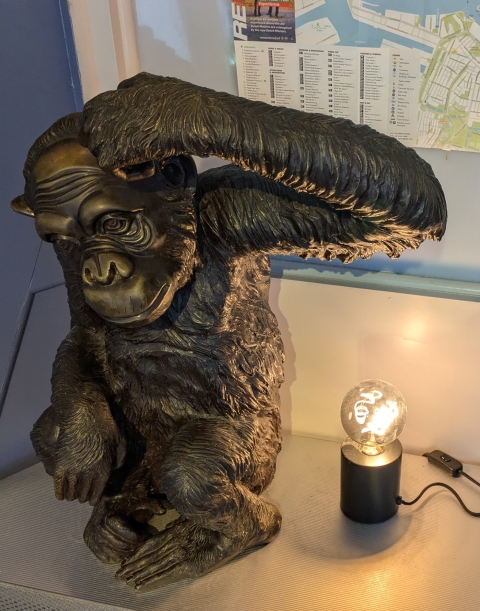
I agree with the statue of the monkey we saw in the house. What were they thinking?

What were they thinking?

There is a lot to do in Rotterdam. We barely scratched the surface. Tomorrow is another sea day.

Impressive drawbridge

Iconic bridge

Fun kaleidoscope (donations accepted)

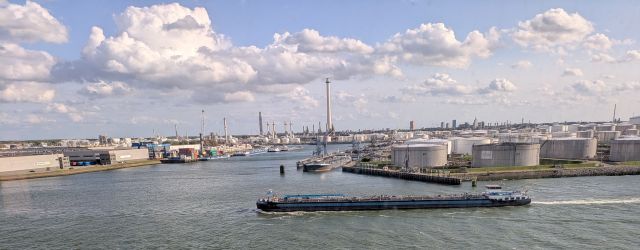
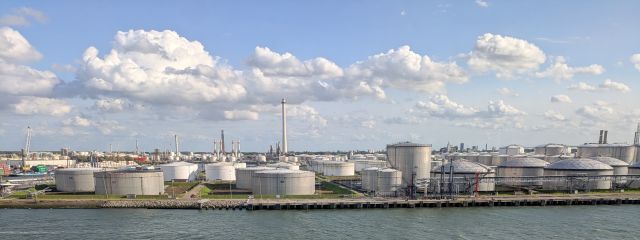
Bonus: The real money for this city is in the petroleum distribution hub. These tanks go on for literally miles. Amazing.

Akureyri, Iceland

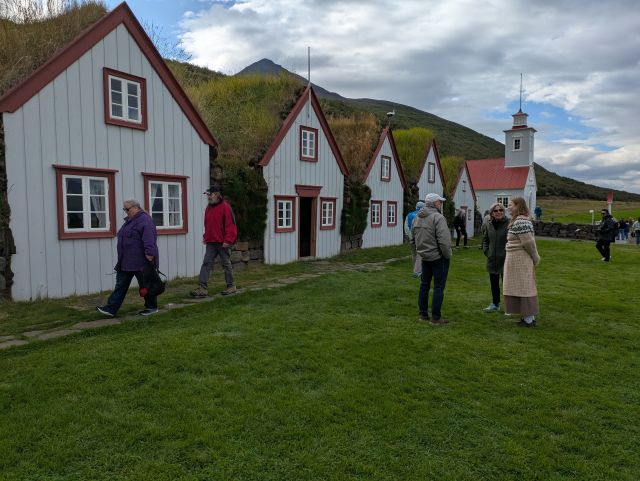
With a population of over 20,000, Akureyri felt like a real city. We took an excursion that led us out of the city. Our first stop was the Laufas museum. In the 1800s, people lived in turf houses. Laufas is an example of a turf house for a wealthy family. These houses use stone and wood for their structural strength. They use turf to insulate the roof and walls. As you can see in the picture, the house looks quite attractive from the outside. The inside is a different story. They are small, have a low ceiling, and are exceedingly dark. Once inside, you can move from unit to unit using small doorways. (No doors, just a small opening in the interior wall.) The effect is to create a cramped labyrinth of interior space.

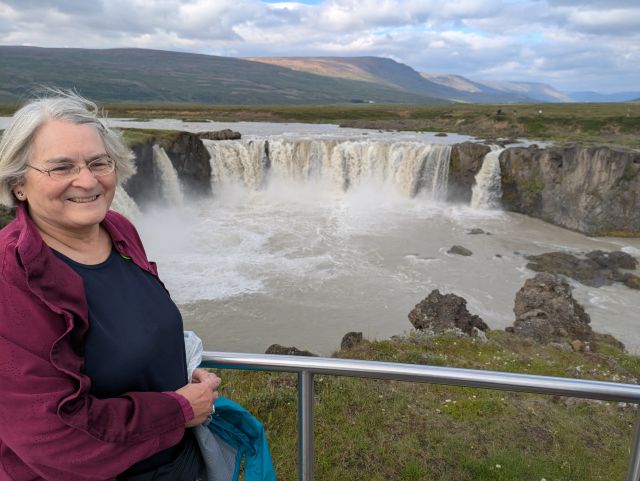
Our next visit was to one of the top sites in Iceland, the Godafoss Waterfalls. In the year 1,000 AD, the chieftain symbolically threw his pagan idols into the waterfall, marking the country’s peaceful transition to Christianity. It’s certainly an impressive site.

Our last stop was a botanical garden. There were numerous flowering plants in full bloom. It was a delightful site.

Today and tomorrow are sea days. The crew are becoming very imaginative in inventing entertainments. Today we have a “theft”. We are invited to be detectives, looking for who stole the jewelry.
Ísafjörður, Iceland

With over 2,500 citizens, Ísafjörður is one of the larger cities in Iceland. We took a bus ride to Súðavík, a small hamlet that has a very sad recent history. at 6:30 AM on January 16, 1995 an avalanche did great damage to the hamlet, killing 8 people. That, coupled with another fatal avalanche later on that year, caused officials to take protective measures. These measures varied from planting pine trees to building avalanche dams. In Súðavík, officials decided a more practical approach was to give citizens the money to rebuild their houses, moving the hamlet down the road a bit. Standing there looking at site and the mountain behind, I could see how an avalanche might happen. This picture doesn’t show it very well because it doesn’t show the slope of the area.

Avalanche site

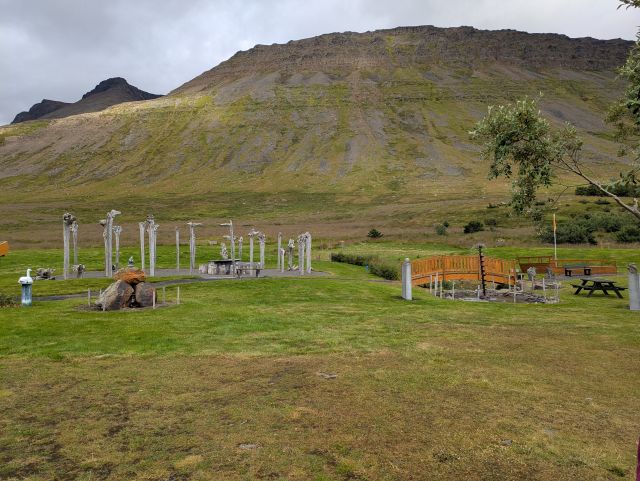
Then I was struck by a more profound thought. The avalanche site became a park, which is a normal reaction. But the contents of the park were disturbing. The vertical posts are just driftwood. The number of posts has nothing to do with the number of people who died or were injured. There is a playground just to the right. It was installed by a mother who lost her child to cancer. There is a large placard just to the left of a tough looking man. The placard has no English, The tour guide said the man appears to be a detective in the police department. I won’t speculate on why there is no public memorial. If you wish, you can learn more here.

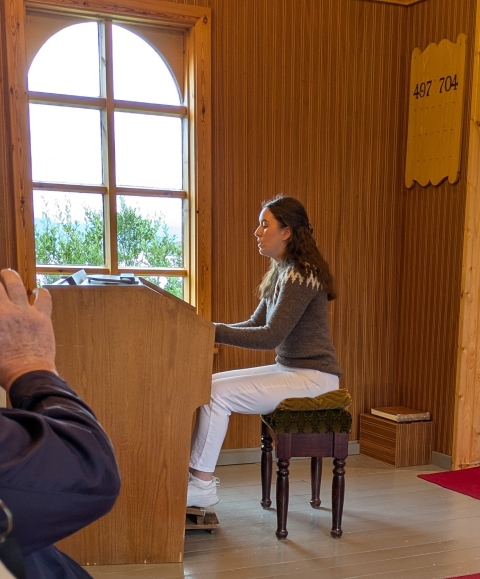
From there, we went to the hamlet church where we heard the most popular lullaby in Iceland. It’s about a family of outlaws being chased by authorities. The mother doesn’t want her baby to have this life, so she throws the baby into a waterfall. What a strange part of the world.

Melancholy music

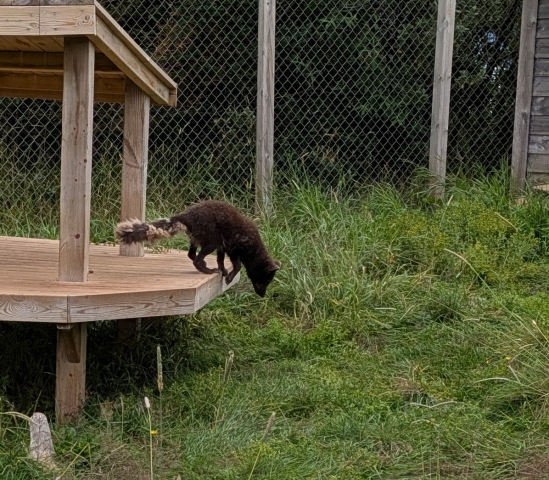
Finally we got to the highlight of the trip — a rescue center for artic foxes. It has only two foxes that were raised by humans. They couldn’t be set free in the wild because they don’t have the hunting skills to survive.

Artic Fox

Here’s hoping our next stop will be more upbeat.